I coach the step I had to take myself: from doing the work to leading it.
Twenty years leading teams in people-focused, high-volume work, where consistency, accuracy and clear communication matter every day. What I learned about leading people, I learned mostly by getting it wrong first, with good mentors around me.
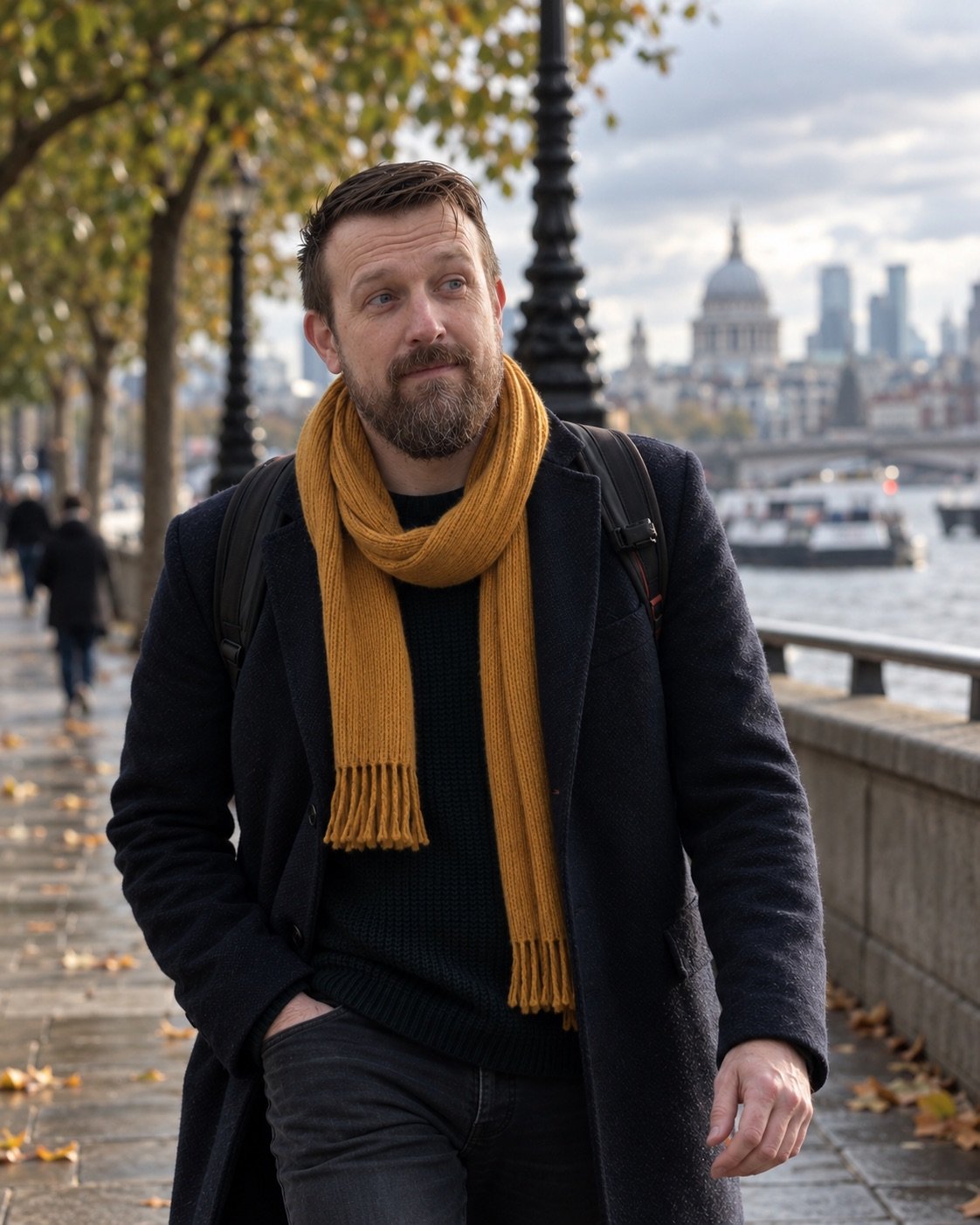
The day I learned what my job actually was.
I started on a helpdesk, then moved into admin and senior admin at Mowlem Technical Services, and joined Carillion when it acquired Mowlem. I was good at administration. I was coordinating a lot of roles at once, and I learned to read what actually mattered today, on this site, for this need, rather than just what the standard said. Planned work and reactive work both kept moving.
Then I took on my first leadership role: a London administration team of six, in the middle of some significant challenges. I did what a lot of new managers do. I kept doing the work myself, because it was quicker.
My boss put it plainly:
“If I need to come and help fix this mistake you keep making, then I don’t need you.”
That was the shift. My job was no longer to be good at the work. It was to build a team that could do it without me. In practice that meant clear standards, output criteria that could be explained, defined and checked with low friction, and time in my week to reinforce them.
The same people turned it round.
At one point I was working in finance, in accounts payable, and I was bored because I’d made the work easy. A regional manager I rated highly asked me to take on a team that was struggling. There was a large financial and operational backlog, and no clear picture of the work. The team was doing things the way it always had.
I reset how the team was led. I explained plainly why the change mattered. We broke the work into small pieces with an explicit process, and we made the hidden work visible: out of inboxes and spreadsheets, into trays and pigeonholes, with reporting that gave everyone clear, immediate feedback.
The same people turned it round. It was a competent team that just wasn’t being led in a way that was beneficial to them. That’s when I understood what coaching could do, and it’s stayed with me since.
Twenty years of leading teams through real change.
Most of my career has been in high-volume, detail-heavy work, where the same thing has to be done accurately every time and communication decides whether a team copes. That’s where I learned to lead people through change.
At Carillion I worked as a recovery specialist, stepping in when teams and contracts needed resetting or rescuing. Over three years I took on 22 of them and lost only one. I also led the transfer of more than 350 contracts to new providers.
As Operations Manager at Heathrow for three years, I built a £250k in-house team to replace £400k of contractor spend, and grew the projects division to £1m in two years, then £13m in the final year. As Account Manager at London Overground, I turned a difficult client relationship into a strong one and helped build a sustainable operating model. Along the way I’ve run head offices in the UK, the EU and globally, and sites where there was no margin for error.
I spent eight years at EDF Energy in a regional management role, then moved into Strategy, Change and Transformation to support the further development of the business and take what I’d learned nationwide rather than regionally. Today I lead strategic change across around 105 sites. I also lead an in-house coaching programme, helping colleagues adopt new ways of working through coaching sessions, peer learning groups and measured confidence building.
I write about leadership and practice on Considered Practice. I talked about leading change on The Facilities Management Exchange (FMX) podcast, Season 2 Episode 8, and I’m speaking at the Future of Work Conference in October 2026. I also run a separate advisory practice.
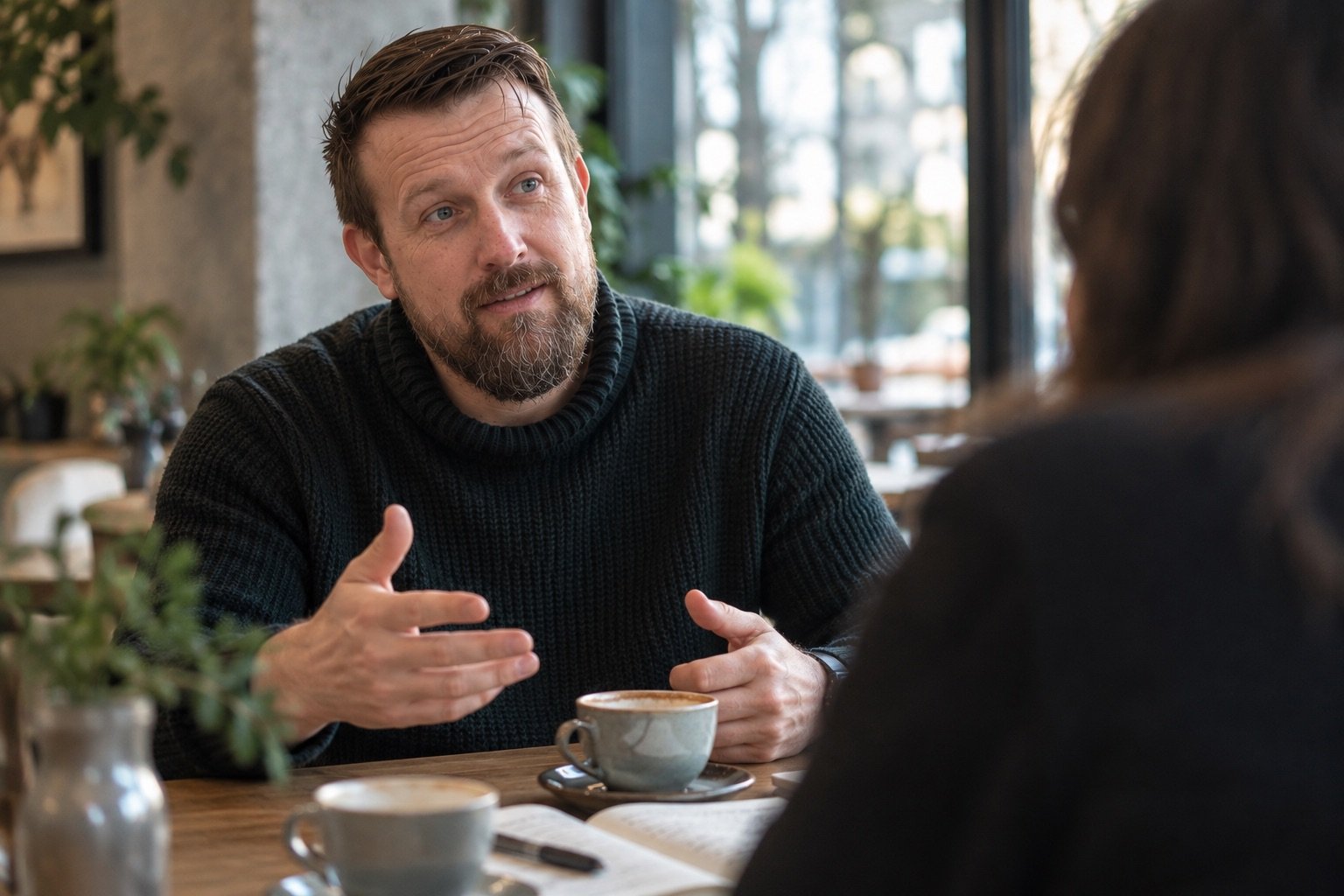
Because it’s the step most people are left to work out alone.
You get the title, the team and the targets, and very little about how to stop doing the work yourself. I learned it largely through mentoring, including Carillion’s “Leading through People” approach, where I was on the receiving end of some very good leadership development.
My coaching is practice-led. It comes from twenty years of leading teams in demanding, people-focused work, and from running a coaching programme inside a large organisation. I use a small number of methods I’ve applied in those settings, and I explain them in plain English on How I work.
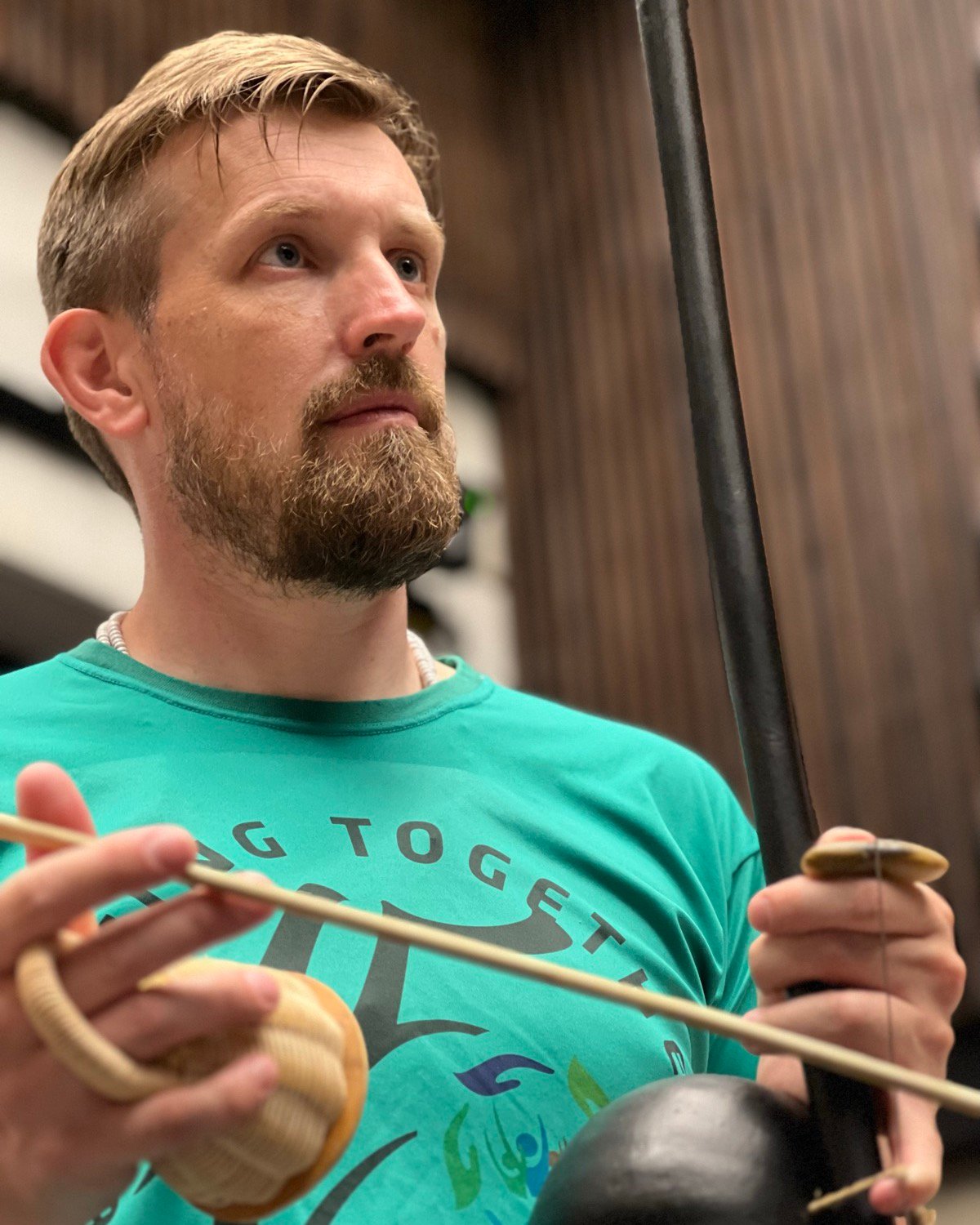
Capoeira taught me to read a room.
I’ve trained in capoeira for 15 years, and I’m an Instrutor (instructor) at QMC School of Capoeira, where I’m known as Cipó. It taught me discipline and patience. It taught me that teaching changes you. And it taught me how to read a room, which turns out to matter in a team meeting as much as in the roda, the capoeira circle.
I co-organise the Solta o Jogo Afro-Brazilian festival, and since 2014 I’ve been co-founder and director of Quilombo UK CIC, a professional development and inclusion organisation based in Kingston.

Your career and your personal growth are one piece of work. I coach them together.
Tell me where you are, and where you want to be.
A free, 30-minute call, online. No obligation, and no pressure to decide anything on the day.